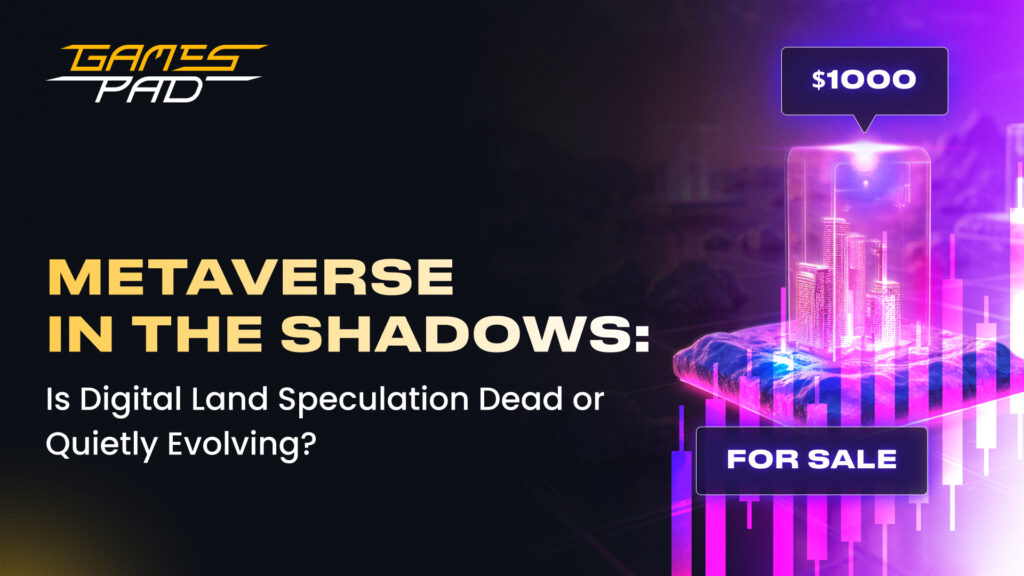
The frenzy that pushed virtual plots to eye‑watering highs in 2021 has faded. Headlines no longer trumpet record sales, and floor prices in flagship worlds trade at fractions of their peaks. To many outsiders, the metaverse land rush appears finished. In truth, the activity has retreated from public view, not disappeared.
Early valuation models borrowed from scarce coastal real estate: fixed map, low supply, limitless upside. Two flaws surfaced when liquidity dried up in 2023. First, most platforms lacked enough daily users to justify sky‑high rents. Second, parcels rarely generated steady cash flow. Without foot traffic or income rights, land turned into speculative sand.
Developers now link ownership to defined economic roles. Otherside ties plots to in‑game resource production, The Sandbox grants branded building rights, and My Neighbor Alice pays out farming rewards. Value stems from the revenue a parcel can earn, not from raw acreage. Speculators who once flipped empty lots now study user metrics and yield tables.
Inflationary land drops have slowed. Caps are explicit, and building permits require provable activity within each world. With supply aligned to demand, price discovery stabilizes. Cross‑chain escrow services treat land NFTs as collateral, giving rise to modest but real credit markets—clear proof that counterparties expect orderly resale.
Brands that rushed in for publicity never fully retreated. Instead of oversized headquarters, they lease thematic districts, sponsor quests, or co‑develop entertainment hubs. Long‑term contracts lock in visitor flow and underpin rental yields, much like anchor tenants in a shopping center.
Easy flipping has gone. Today’s buyers underwrite daily active wallets, average on‑chain spend, and developer grant pipelines before bidding. The silence reflects tougher due diligence, not vanished opportunity. Digital land is becoming a niche within commercial real estate, where tenant quality and zoning outshine headline hype.
Scarcity alone will not sustain price. Utility, cash flow, and disciplined supply schedules must back every virtual deed. Investors who adopt the sober practices of brick‑and‑mortar property—tenant analysis, covenant checks, conservative leverage—stand to prosper when the spotlight inevitably returns.
Digital land speculation is not dead; it has matured. The carnival barkers have left, replaced by surveyors, planners, and cash‑flow accountants working in the shadows.

 Huobi Global
 Gate.io
 PancakeSwap
 MEXC Global